
DistrictLab.H Simulation studio

Points forts
Conception préliminaire
Conception détaillée
Vérification et validation
Exploitation normale
Exploitation en situation incidentelle ou accidentelle
Intégration de sources d’énergie sensibles à la température
Gestion de l’intermittence des énergies renouvelables, optimisation des niveaux de température pour favoriser leur intégration.
Optimisation de la température et de la pression
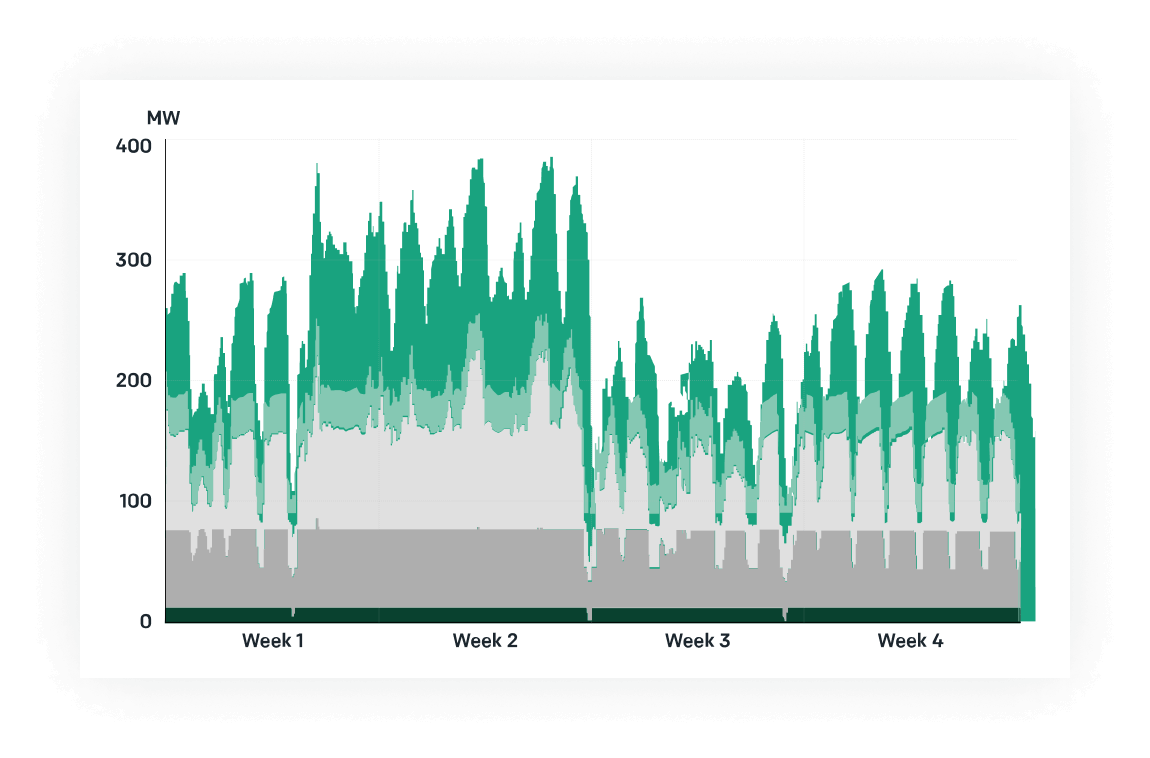
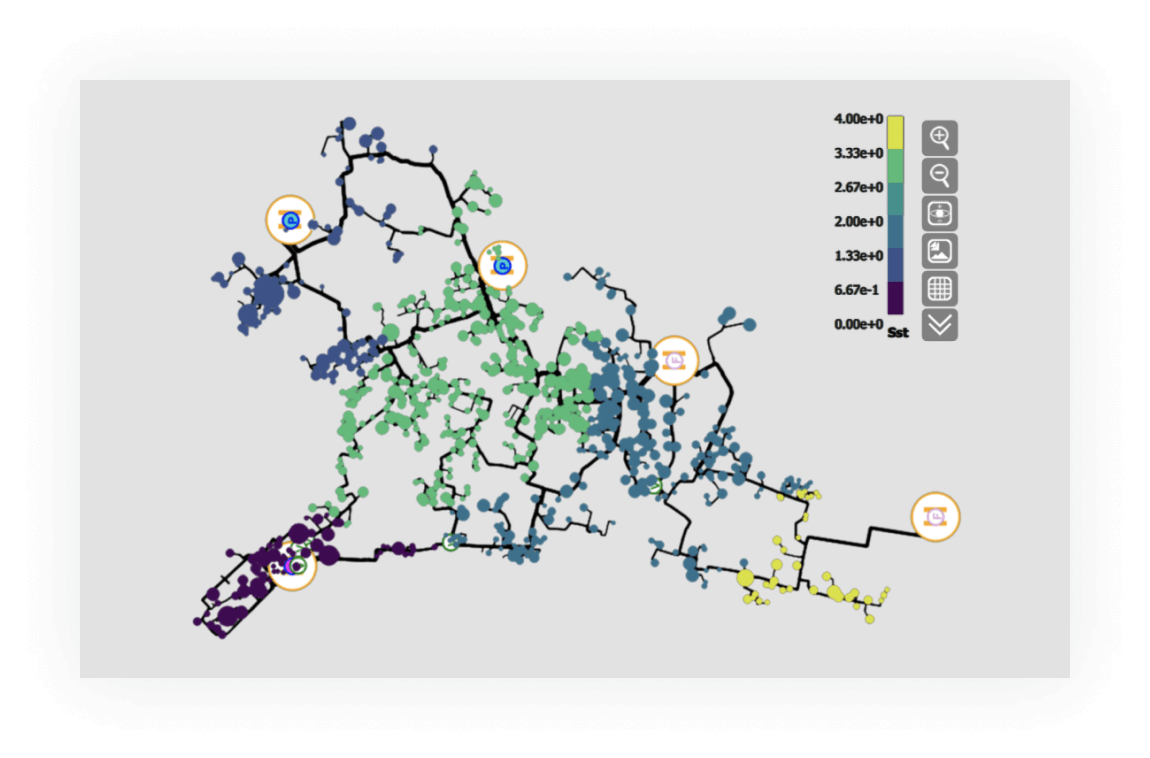
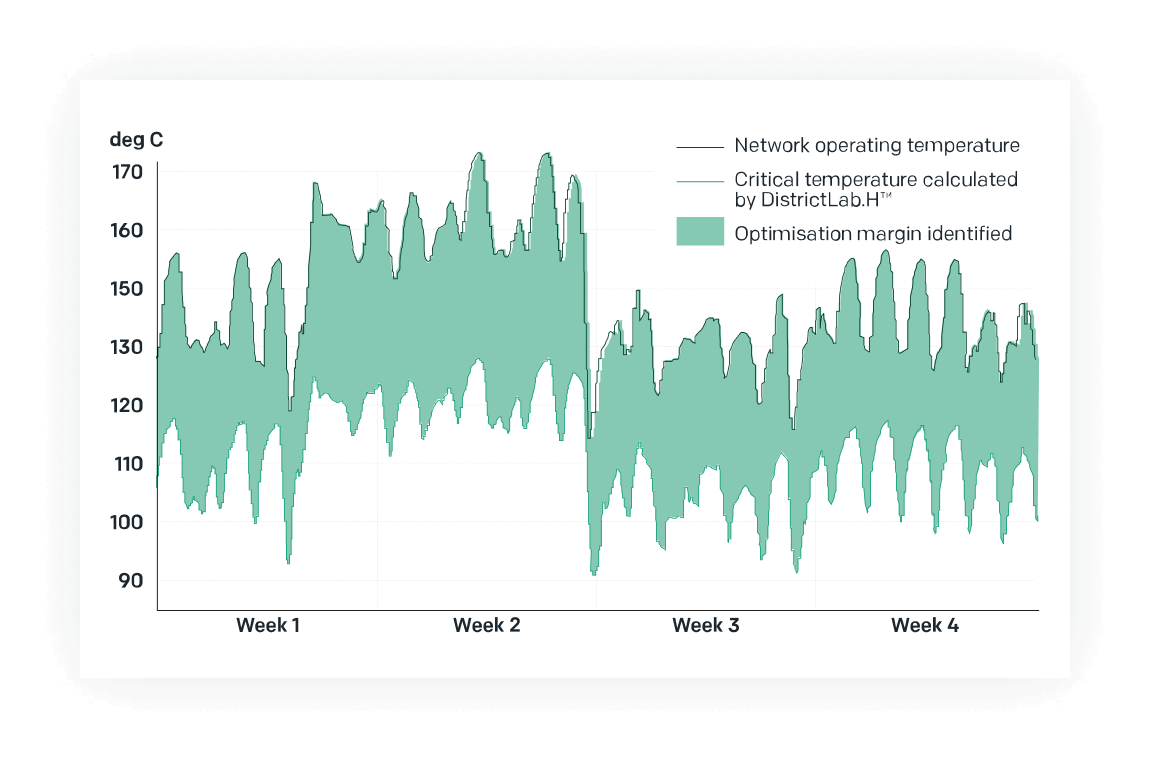
Avec l’interface graphique ergonomique de DistrictLab.H™
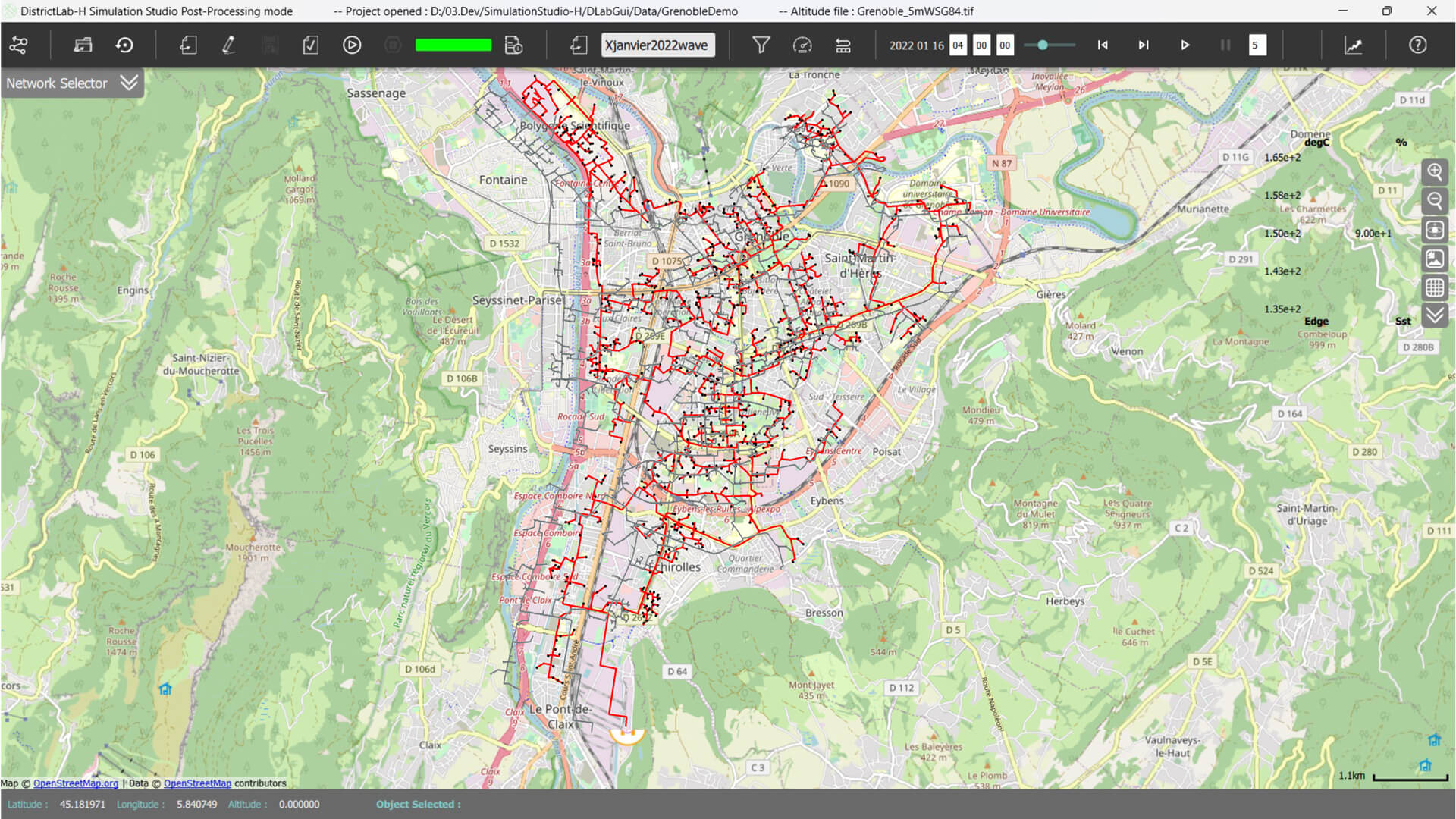
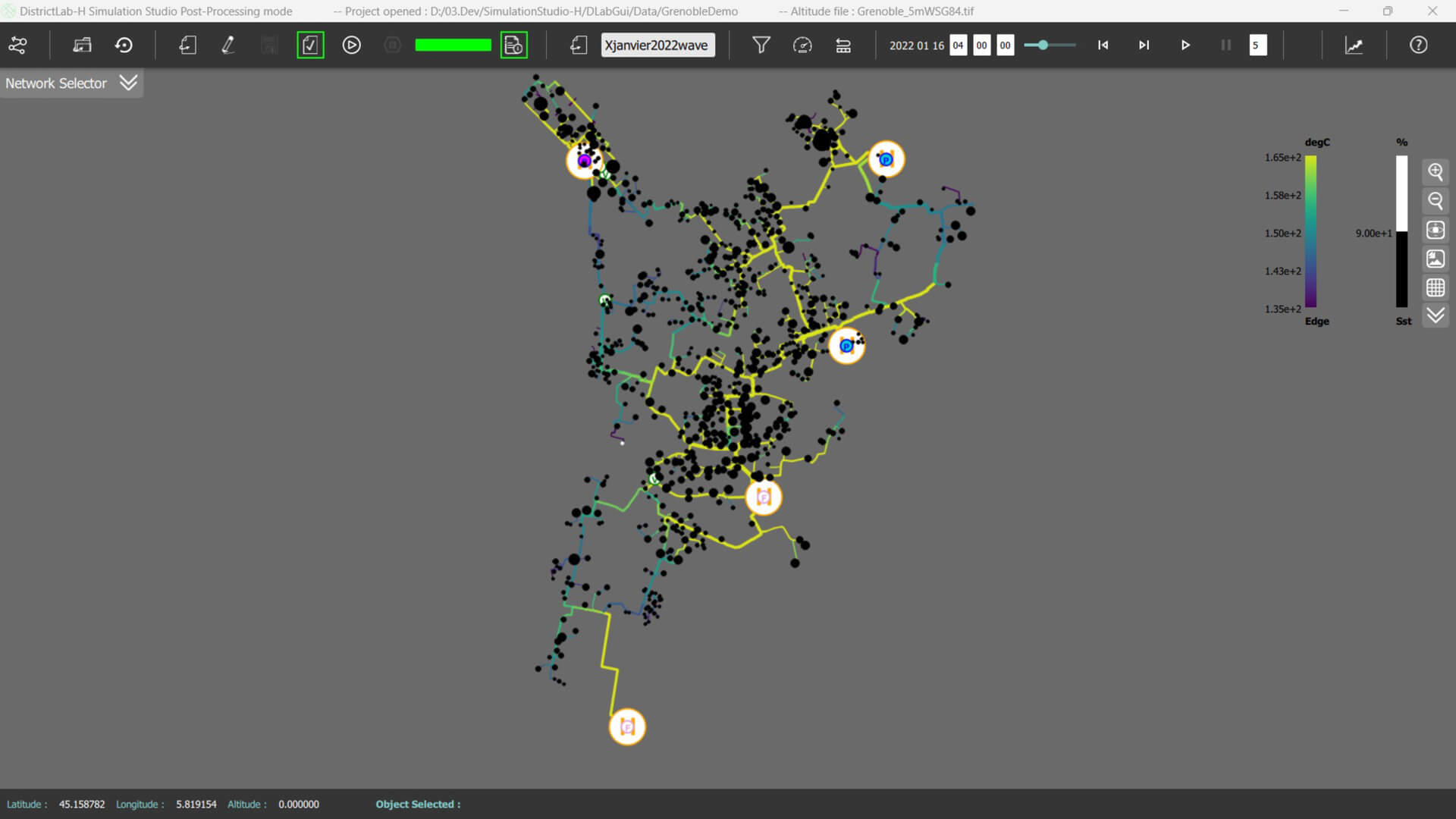
Mode édition
Mode analyse
Témoignages utilisateurs

« Grenoble Alpes Métropole’s Réseaux Energétiques department is responsible for public energy distribution in an area with a population of 450,000, spread over 49 municipalities. As such, the department is responsible for heating networks, with small-scale networks managed by the Régie and public service delegations for the largest networks, including the second largest in France in terms of size and energy delivered. To consolidate our technical base, we recently completed a training course run by DistrictLab. In a compact two-day format, alternating theoretical presentations and practical work on a simulator, this training course provides an overview of the technical issues involved in the field, whether at the stage of choosing the means of production, sizing the network or operating it. Thanks to Roland and DistrictLab for the quality of this training, which will enable us to be more relevant, whether in discussions with design offices or operators, or in the development of new networks. »

« The ADP Group (Aéroport de Paris) develops and operates three airport platforms in the Paris region (Charles De Gaulle, Orly, and Le Bourget), each with its own energy systems. Across these different sites, the ADP Group operates heating and cooling networks that supply the various airport infrastructures. The total energy distributed amounts to more than 300 GWh across the three platforms.
As part of our internal engineering activities and expertise in monitoring the energy performance of our facilities, we were looking for a comprehensive and easy-to-use thermal-hydraulic simulation software solution that could model both chilled water networks and heating networks. The software solution also needed to be capable of handling the complexity inherent in our networks, whose production mix combines geothermal, biomass, gas, and other energy sources, and ideally could eventually migrate to a ‘digital twin’ as an operational optimization tool.
After a comparative analysis and testing of various solutions available on the market, we chose the DistrictLab-H SimulationStudio software. »
